
How Home Elevator Design Choices Affect Long-Term Satisfaction
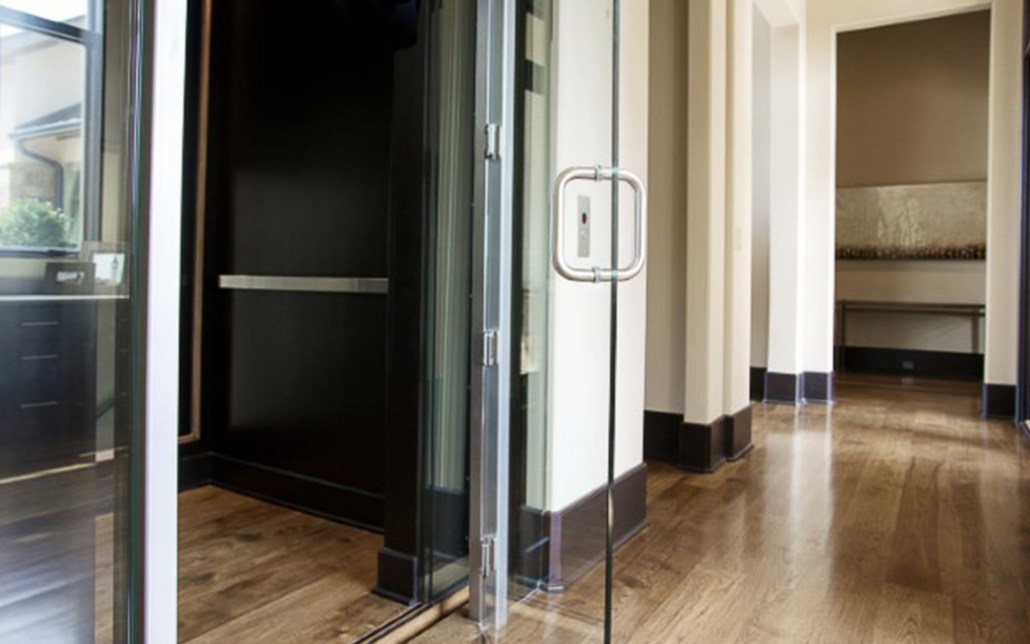
When most people think about elevator design, they picture color palettes, hardware finishes, and lighting. Those things matter, but months or years after installation, it’s usually the more practical choices that shape how satisfied you feel. The materials, size, and layout you select in a showroom might look great at first, but will they still feel right when your lifestyle shifts or your needs change?
This blog explores the real impact of elevator design over time. From cab layout to everyday flow, we’ll walk through how good decisions create long-term comfort, and how small missteps can add up to daily frustration.
Why Home Elevator Design Is About Daily Experience, Not Décor
Design often gets lumped in with aesthetics, but in the world of elevator design, it’s much deeper than visual appeal. The way an elevator functions, from features like how it opens, how it feels when you step inside, and how easily it fits into your daily life, has just as much impact on long-term satisfaction as the finishes on the walls.
Think of design as the bridge between the technical side of installation and the lifestyle you want. A great design isn’t just nice to look at. It’s intuitive. It’s comfortable. It’s made to suit your home, your habits, and your rhythm. And when it’s done right, you’ll feel it every time you use it, even if you don’t think about it.
Design Choices That Influence Everyday Comfort
From the moment you walk up to your home elevator to the second you step out, every design element affects how you move, how you feel, and how easily you use it. Let’s break down some of the most important ones.
Cab Size and Interior Layout
One of the most overlooked parts of elevator cab interior design is simply: how much room is inside? It’s easy to prioritize aesthetics or footprint early on, but a too-small cab can feel cramped quickly, especially if your needs change. A bit of extra room can make a world of difference when you’re carrying groceries, traveling with a pet, or sharing the ride with a family member. A well-thought-out layout also makes moving inside the cab feel natural, not forced.
Think beyond what you need today. Ask yourself how you move through your space and whether the layout will still feel easy a few years from now.
Door Configuration and Entry Flow
Door placement isn’t just a structural decision. It impacts how you use your elevator every day. Do the doors open toward a hallway or into a living room? Are they centered or off to the side? Would swing doors or sliding doors feel more intuitive in your layout? These small details affect how quickly and safely you can enter or exit the cab, especially when your hands are full or when others are using the space.
Done well, a smart door configuration blends into your floorplan and avoids awkward transitions or pinch points. It’s one of the quietest ways elevator design can improve your day.
Visibility and Openness
Cabins with open sightlines or partial glass can reduce feelings of confinement and create a sense of luxury. On the flip side, too much exposure might clash with your home’s layout or your personal preferences. The balance between privacy and openness is a key part of elevator interior design, and it directly impacts how comfortable and confident people feel when riding.
You don’t need full glass walls to achieve this. Strategic lighting, mirrored panels, and smart window placement can all contribute to a more open, airy experience without sacrificing your home’s style.
How Design Decisions Hold Up Over Time
What feels stylish today might feel limiting tomorrow. Maybe that sleek finish turns out to be high-maintenance. Maybe the compact cab you chose for space-saving reasons now feels too tight for day-to-day use. Or maybe your household simply changes: kids grow up, parents move in, or your own mobility needs shift over time.
That’s why good elevator design always includes a look ahead. Materials that resist wear, layouts that adapt to lifestyle shifts, and features that continue to serve your home years down the line all help extend satisfaction. You won’t always predict what life will throw at you, but thoughtful planning keeps your elevator from becoming a constraint.
Designing for Multiple Users and Future Needs
Even if you’re the primary user today, your elevator will likely serve other people over time. Guests, relatives, kids, or even future buyers of your home will all interact with it. Thinking ahead doesn’t mean designing for medical or accessibility needs; it means building a space that adapts.
Wide door openings, intuitive controls, easy lighting, and smooth transitions between floors all make for a better experience for everyone. The beauty of future-focused design is that it doesn’t need to feel clinical or utilitarian. It just needs to be smart enough to meet your home where it’s going, not just where it is.
Our team at HomeLift is here to help you explore every option with confidence and clarity. Discover more about your options.
Common Design Regrets Homeowners Share After Installation
We’ve heard the same story more than once: a homeowner falls in love with a certain finish, layout, or compact size, only to realize later that it wasn’t the best long-term choice. One of the most frequent regrets involves sizing. A smaller cab may have seemed like the right choice at the time, especially for retrofits, but it quickly becomes frustrating if the elevator can’t accommodate more than one person or a few items.
Others wish they had paid more attention to lighting and controls. An elevator that looks elegant in pictures can still feel dim or unintuitive in everyday use. Aesthetic choices matter, but they should never come at the expense of ease, safety, and flow. Understanding these common regrets can help you make design decisions with more confidence and fewer compromises.
How Experienced Installers Help Guide Better Design Decisions
The best installers do more than just take measurements and recommend models. They ask questions about how you live. They observe how you move through your home. They guide you through elevator options you didn’t know existed.
When you work with someone who understands elevator design at both a technical and lifestyle level, you get more than a working system; you get a solution that fits your life. That consultative approach is what turns a standard install into something that feels personalized and intentional. At HomeLift, we believe that design starts with listening. The more we understand your routines, preferences, and priorities, the better we can align design choices with real-life use.
How to Balance Personal Style with Practical Design
You don’t have to give up luxury or personal expression to create a functional elevator. Elevator interior design can reflect your aesthetic just as much as your living room or kitchen does. The key is balance. Choose materials that feel upscale but also hold up to daily use. Go bold with colors or textures, but pair them with lighting that ensures visibility and comfort. Use modern tech features to elevate the experience, but keep controls simple enough for anyone in the household to use. You can create a beautiful elevator that’s easy to use, low-maintenance, and timeless. It just takes the right mix of style and strategy.
Make a Design Choice You’ll Love for Years With HomeLift at Your Side
When you partner with HomeLift, we help you think beyond the showroom. We guide every elevator design decision through the lens of your lifestyle, your home, and your future. From layout to lighting to long-term flow, we focus on creating a solution that keeps working.
If you’re thinking about installing a home elevator, now’s the perfect time to look at design through the right lens. Let’s build something together that feels right today and still feels right five years from now.

