
Wheelchair Lifts for Your Home: What Tennessee Homeowners Need to Know
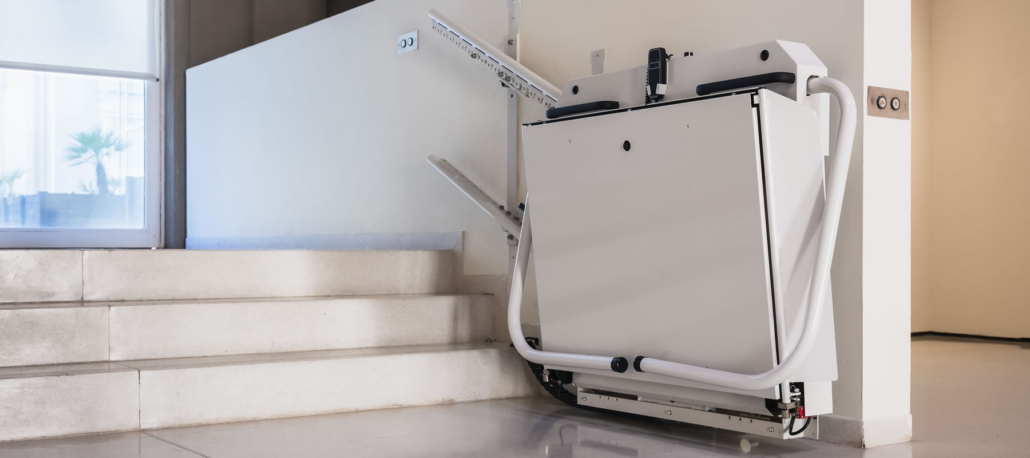
If you’re reading this, chances are someone in your household is dealing with a mobility change that has made stairs unsafe. Maybe it happened suddenly after a surgery or fall, or maybe it’s been building gradually and the time has come to do something about it. A wheelchair lift for homes in Tennessee can restore safe, independent access between levels without the cost or construction of a full elevator, but figuring out which solution actually fits your situation can feel overwhelming when you’re under pressure to act quickly. Here’s what you need to know to make a confident decision: which type of lift matches your home, what installation actually involves, what it costs, and what funding options may be available to help.
What a Residential Wheelchair Lift Is and How It Differs From Other Solutions
The terminology in this space can be confusing, and choosing the wrong product wastes time and money. A residential wheelchair lift, most commonly called a vertical platform lift, is designed to raise and lower a person in their wheelchair or mobility device between two levels. It travels vertically, like a small elevator, but operates as a constant-pressure lift rather than an automatic cab system.
Wheelchair Lifts vs. Stairlifts
A stairlift carries a seated person up and down a staircase on a rail-mounted chair. It requires the rider to transfer out of their wheelchair at each level, which isn’t practical for many users. A wheelchair lift eliminates that transfer entirely by carrying the user and their mobility device together. If independent transfers are difficult or unsafe, a wheelchair lift is typically the better fit.
Wheelchair Lifts vs. Home Elevators
A home elevator travels between full floors inside an enclosed shaft and offers the highest capacity and travel distance. A vertical platform lift for a home covers shorter distances, typically up to 14 feet, and requires far less structural modification. For homeowners who need access across a porch, garage entry, split-level, or single-story el
Types of Vertical Platform Lifts for Your Home
Not every wheelchair lift works the same way, and the right choice depends on the specific barrier in your home. HomeLift installs several configurations of residential wheelchair platform lifts to match different situations.
Enclosed and Hybrid Vertical Platform Lifts
For travel distances up to 168 inches, enclosed vertical platform lifts provide a fully walled lifting platform with doors at each level. These work well for indoor applications where the lift needs to move between floors or across larger elevation changes. HomeLift also installs the Symmetry Hybrid wheelchair lift, which looks and operates more like an elevator while functioning as a platform lift. It’s a strong option for homeowners and worship centers who want a more finished appearance without the structural demands of a full elevator installation. It also allows for a higher weight capacity, 950 to 1,000 pounds, compared to the standard 750 pounds.
How to Determine the Right Lift for Your Home
Residential wheelchair lift installation isn’t one-size-fits-all, and the right system depends on several factors that are specific to your home and the person using it.
The Barrier and Available Space
Start with the barrier itself. Is it a porch or exterior entry with a few steps? An interior split-level transition? A full-story elevation change between floors? The type and height of the barrier determine which lift category is even viable. Available space around the barrier matters too. Vertical platform lifts need a footprint for the platform and a clear path at each landing level, but they don’t require the extensive space planning that a full home elevator does.
Indoor vs. Outdoor Installation
Outdoor installations, such as porch lifts and garage entry lifts, need weather-rated components and non-skid platform surfaces. Indoor lifts can be finished to blend with your home’s interior. Both are viable in Tennessee’s climate, but the distinction affects which models and finishes are appropriate.
Capacity and User Independence
Most residential vertical platform lifts carry up to 750 pounds, which accommodates the user, their wheelchair or power chair, and in some cases a caregiver standing alongside. If the user operates independently, constant-pressure controls at platform level let them run the lift without assistance. If a caregiver is always present, call stations at each landing level allow the caregiver to operate the lift from outside the platform.
Choosing the right wheelchair lift for homes in Tennessee starts with understanding the specific barrier, space, and mobility needs in your home. HomeLift’s team evaluates all of these factors during a free in-home assessment and recommends the right system for your situation.
What the Installation Process Looks Like
Knowing what to expect from residential wheelchair lift installation removes a lot of the stress, especially when you’re making decisions quickly.
Site Assessment and Planning
Every installation begins with an in-home evaluation where a HomeLift lift specialist assesses the barrier, measures the space, reviews the electrical access, and discusses the user’s specific mobility needs. This visit is free and typically takes less than an hour. It’s also when the specialist confirms which lift type and configuration fits the home.
Structural and Electrical Requirements
Most residential wheelchair lift installations require a dedicated 220V circuit, though some smaller unenclosed models operate on standard 110V household power. Structural requirements are minimal compared to an elevator. A wheelchair lift installer in Tennessee should handle permitting and inspections as part of the installation scope.
Timeline
Once the lift is ordered and the site is prepared, most residential installations take one to three days depending on the model and complexity. Unenclosed porch lifts on existing concrete can often be completed in a single day.
Cost, Funding, and Coverage Options
Home wheelchair lift cost is one of the first questions families ask, and it deserves a direct answer.
What to Expect on Price
Residential vertical platform lifts typically range from $5,000 to $15,000 installed, depending on the model, travel distance, indoor versus outdoor placement, and any site preparation work required. Enclosed and hybrid models fall toward the higher end of that range, while basic unenclosed porch lifts fall toward the lower end.
Medicare, Medicaid, and VA Benefits
Medicare does not typically cover wheelchair lifts, as it classifies them as home modifications rather than durable medical equipment. Medicaid coverage varies by state. Tennessee’s Medicaid waiver programs, including the CHOICES program, may cover home modifications for qualifying individuals, but the process requires documentation and pre-approval. Veterans with service-connected disabilities may qualify for a Home Improvements and Structural Alterations (HISA) grant through the VA, which can cover a significant portion of the cost. Contact your local VA medical center’s prosthetics department to start that process.
Other Funding Sources
For homeowners exploring payment options, a home equity line of credit (HELOC) is often worth looking into. A HELOC lets you borrow against the equity you’ve built in your home, giving you a flexible way to fund accessibility upgrades without draining savings or taking on a high-interest personal loan. Your HomeLift specialist can answer questions about project costs during your consultation so you have a clear number to bring to your lender.
Find the Right Wheelchair Lift With a Team That Knows Tennessee Homes
When mobility changes happen, the priority is restoring safe access as quickly and practically as possible. HomeLift has been helping Tennessee families solve exactly this problem for 40 years, with free in-home evaluations, factory-trained installation teams, and ongoing service and maintenance after the lift is in place. If you’re trying to figure out which wheelchair lift is right for your home, or if you’re not yet sure whether a lift, stairlift, or elevator is the better path, reach out to HomeLift and let’s talk through your specific situation.

